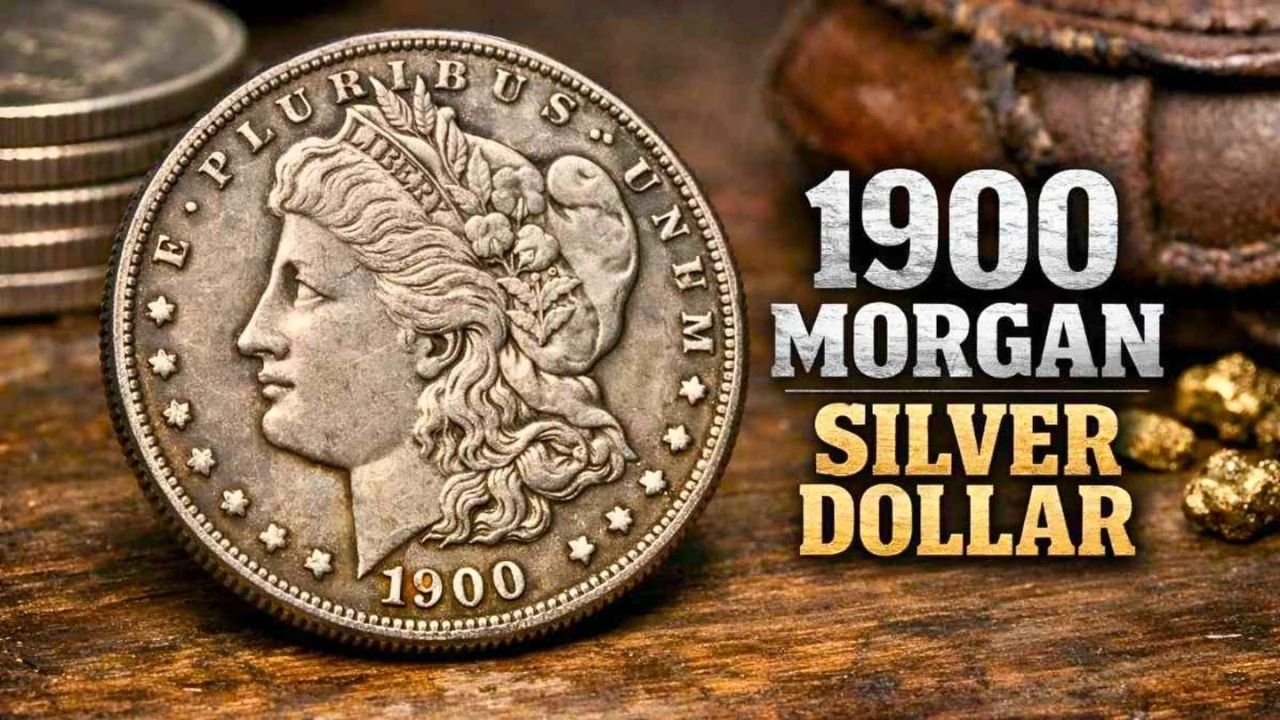
The market for classic American silver coins is gaining renewed momentum, and one date drawing fresh attention is the 1900 Morgan silver dollar. While many examples remain affordable, select varieties are commanding serious premiums in certified grades.
With auction activity trending upward and collectors focusing on condition-sensitive issues, knowing what separates a common piece from a standout rarity has never been more important.
The Legacy of the Morgan Silver Dollar
The Morgan silver dollar is one of the most recognizable coins in U.S. history. Designed by George T. Morgan, it features Liberty on the obverse and a heraldic eagle on the reverse.
Struck from 1878 through 1904 and briefly again in 1921, the coin symbolized America’s silver boom. By 1900, production was in full swing across multiple mints, creating a wide range of collectible varieties.
Mint Locations and Why They Matter
The 1900 issue was produced at three different facilities, each with distinct characteristics that influence value today.
Philadelphia (No Mintmark)
Philadelphia struck a large number of coins in 1900. Circulated examples are widely available, but high-grade Mint State pieces—especially those with prooflike or deep mirror prooflike surfaces—can bring strong premiums.
New Orleans (1900-O)
The New Orleans Mint produced millions of 1900-O dollars. Many sat in Treasury vaults for decades before being released, which explains their availability in higher grades today.
However, sharply struck examples with clean surfaces remain desirable, particularly when professionally certified.
San Francisco (1900-S)
The San Francisco Mint produced fewer coins than Philadelphia that year. Known for generally strong strikes, 1900-S dollars in Mint State condition continue to attract steady collector demand.
The Famous 1900-O/CC Overmintmark
Among all varieties, the standout is the 1900-O/CC Morgan Dollar.
This coin originated when dies intended for Carson City were repurposed in New Orleans. Traces of the original “CC” mintmark remain visible beneath the “O,” creating one of the most talked-about overmintmark errors in the Morgan series.
High-grade examples can reach into the thousands, especially when eye appeal and strike quality align.
Value Snapshot for Collectors
Below is a simplified value overview based on current collector trends:
| Variety | Circulated Range | Mint State Range | Key Value Driver |
|---|---|---|---|
| 1900 (P) | $30–$60 | $150–$1,000+ | Condition, prooflike surfaces |
| 1900-O | $35–$75 | $200–$1,200+ | Strike quality |
| 1900-S | $40–$90 | $300–$2,000+ | Scarcity in high grades |
| 1900-O/CC | $300+ | $2,000–$10,000+ | Overmintmark rarity |
Actual prices vary depending on certification, luster, and surface preservation.
What Drives Premium Prices?
Condition remains the single most important factor. A coin graded Mint State 65 or higher can sell for multiples of a lower-grade example.
Rarity also plays a major role. Varieties like the O/CC overmintmark naturally draw higher demand due to their unique backstory.
Eye appeal matters more than many realize. Coins with strong cartwheel luster, minimal marks, and attractive toning consistently outperform dull or heavily bag-marked pieces.
Professional grading adds another layer of confidence. Authenticated and encapsulated coins generally bring stronger resale results.
Why the 1900 Issue Still Stands Out
The 1900 Morgan dollar offers a balance of accessibility and upside potential. Entry-level collectors can secure circulated pieces at reasonable prices, while advanced buyers can pursue scarce varieties and top-tier grades.
Unlike ultra-rare dates that are out of reach for most hobbyists, the 1900 issue provides room to build a focused, high-quality set without entering six-figure territory.
Final Take
The 1900 Morgan silver dollar represents more than just 90 percent silver content. It captures a period of American expansion, industrial growth, and minting history that continues to resonate with collectors.
Whether targeting a lustrous Philadelphia strike or hunting for the elusive O/CC overmintmark, this classic silver dollar remains a cornerstone of serious numismatic portfolios.